Trending
The moment the Annapurna Interactive logo showed up on my screen, I knew I was in for something worth paying attention to. The publisher has been on a serious streak lately, with titles like People of Note and Mixtape, two games that surprised me, in a positive way, of course, more than any game managed lately.
This isn't a game built to shake the ground in any spectacular fashion or change the industry in some grand direction. It's smaller and quieter than that. What it does have is soul and a story that sits with you well after the credits stop rolling, which counts for more than most blockbusters manage these days.
Story — A Perfect World, Cracking at the Edges
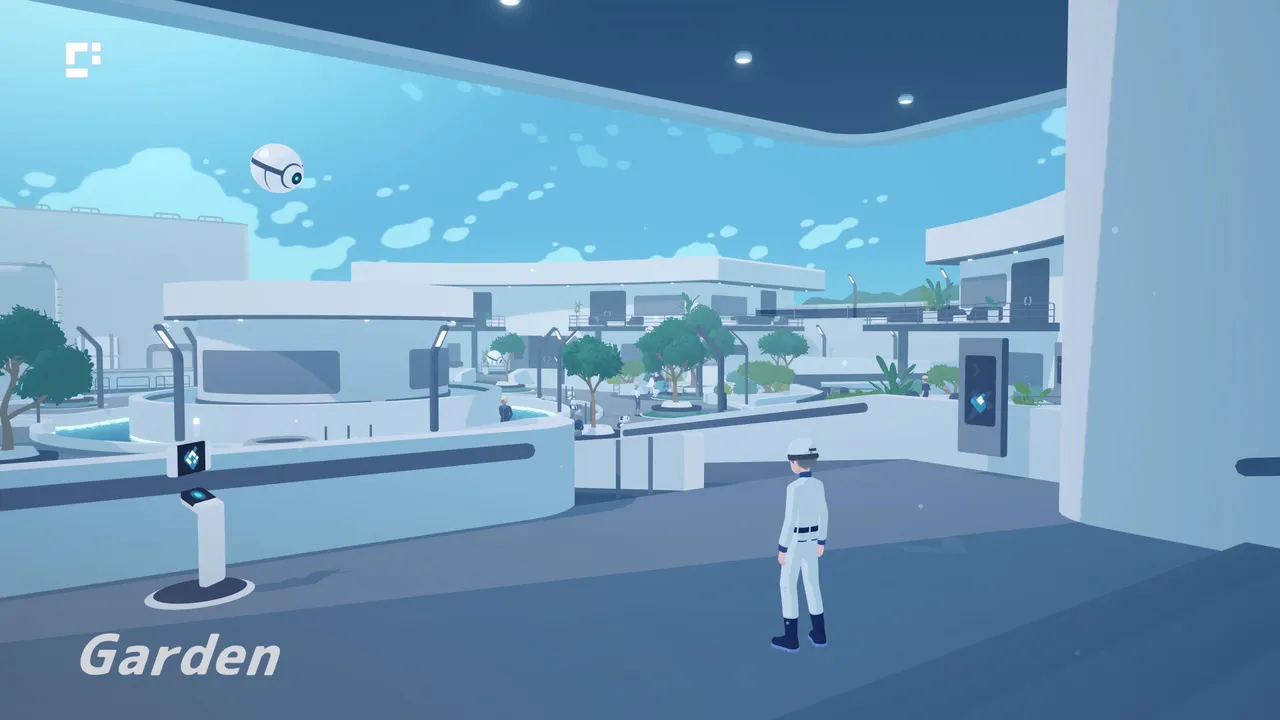
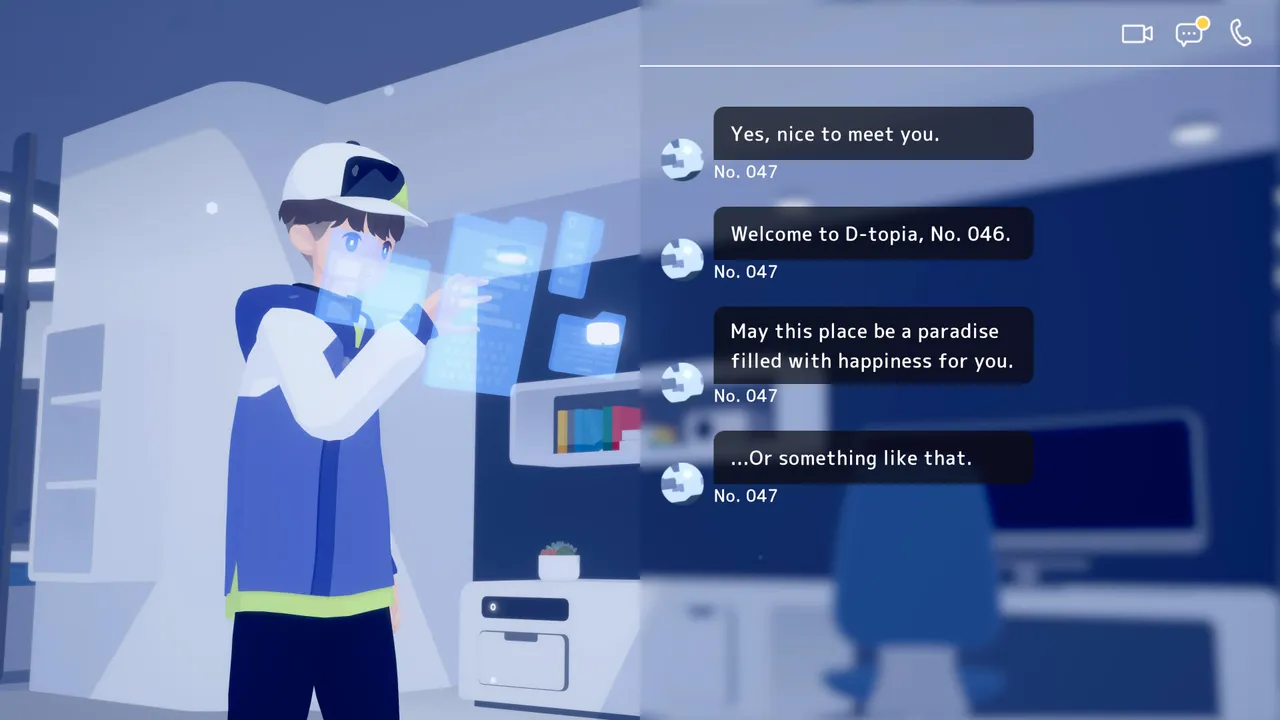
D-topia puts you in the shoes of Shiro, a newly appointed Facilitator arriving at the community that shares the game's name. D-topia itself is one piece of a much larger initiative called Utopia, an AI-run project designed to engineer happiness for everyone under its care. Residents are handpicked, lifespans are extended, and on paper, everything about this place runs exactly as intended.
Except it doesn't, not really, and Shiro is the one who ends up pulling that thread. The story unfolds in daily cycles, each one a discrete chapter, and it's within that structure that human unpredictability starts to chip away at what the AI insists is a flawless system. The pacing here deserves real credit. Information arrives in careful, measured doses, just enough to keep you wondering what tomorrow's cycle will reveal, and the game rarely oversteps by dumping too much on you at once. It's the kind of drip-feed storytelling that makes putting the controller down genuinely difficult, because there's always one more conversation, one more detail, that feels worth chasing.
D-topia's story, for better or worse, is without doubt its strongest asset. It doesn't count on shock twists or dramatic set pieces to keep you invested. Instead, it trusts small, human moments, a resident's offhand comment, a shift in someone's routine, to slowly build toward something much bigger than the sum of its parts. Few games manage restraint this well, and D-topia deserves credit for resisting the urge to over-explain itself along the way.
Gameplay — Routine as a Storytelling Tool
The gameplay loop ties directly into that daily structure, and for the most part, it works in the story's favour and not against it. Each day splits into three phases: morning, afternoon, and evening. Mornings follow a fixed routine: wake up, wash up, eat breakfast, head out, and undergo a quick AI health check paired with a small minigame before clocking in.
Work happens at the factory, where you'll tackle logic-based puzzles that are functional but sadly not particularly inventive on their own. Performance on these determines your pay, which then feeds into what you can afford at the shops scattered around D-topia, mostly energy-restoring snacks and apartment decorations. Helping residents with their personal problems earns goodwill too, sometimes in the form of gifts sent your way once a relationship deepens.
Afternoons open up into the bulk of the actual gameplay: walking through D-topia's hallways, checking in on residents, and chasing whatever objectives the day has queued up, tracked through a relationship menu that keeps tabs on where you stand with everyone you've met. Lunch, and a trip to the bathroom, wait for you back home, though if you're pressed for time, a snack can stand in as a temporary substitute, with the game pointedly reminding you that it's not a long-term fix. Evening wraps things up with dinner, a shower, and sleep before the next cycle begins.
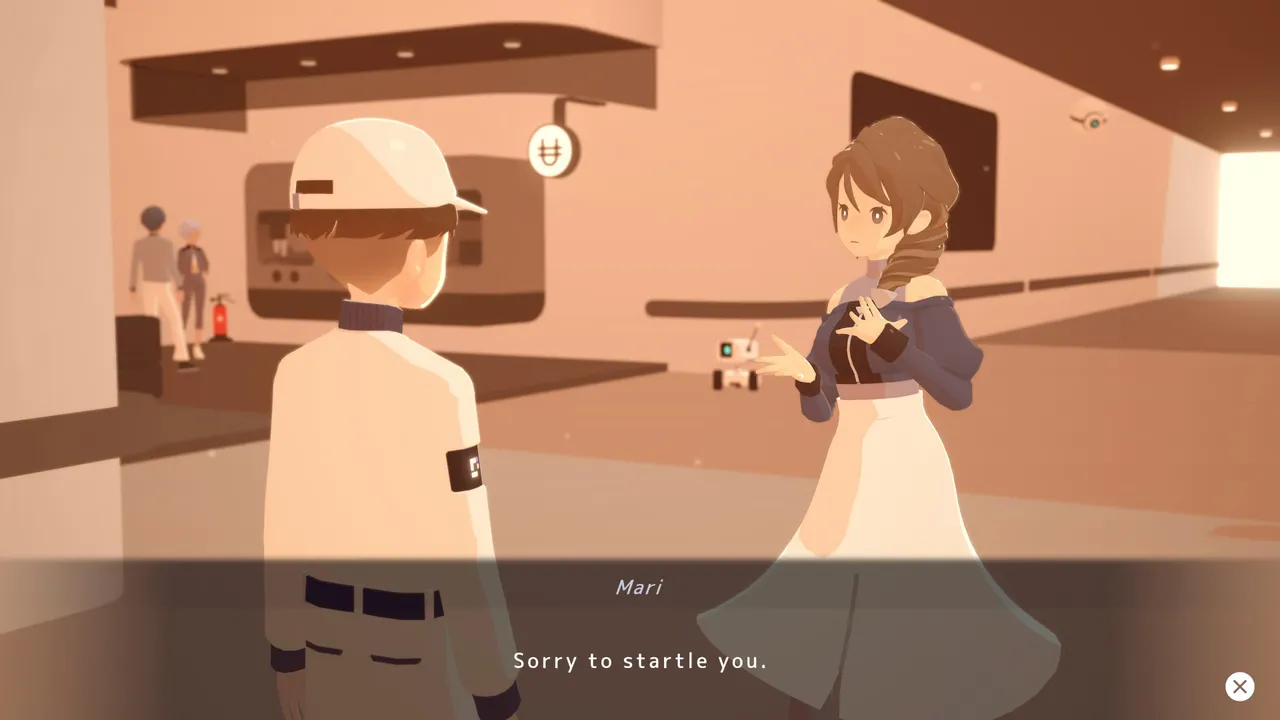
Here's where I have to be upfront: the loop does get repetitive as the days pile up. However, the game is always pointing out that this repetitive gameplay is not an oversight, but more like an intentional choice, a way of letting you feel the tedium baked into a life that's been optimised down to the last minute. That trade-off will land differently depending on how much repetition you can put up with. For me, the story was strong enough to carry the weight, and it kept the daily routine from feeling like a chore even when the tasks themselves started repeating.
Looking at the gameplay loop as a whole, it's clear the puzzles and daily chores were never meant to be the star of the show. They're more like the playground where the story actually happens, and in this game, everything is subordinate to storytelling, and truth be told, if it were any other way, it would have been a total miss.
Visuals, Sounds, and Performance
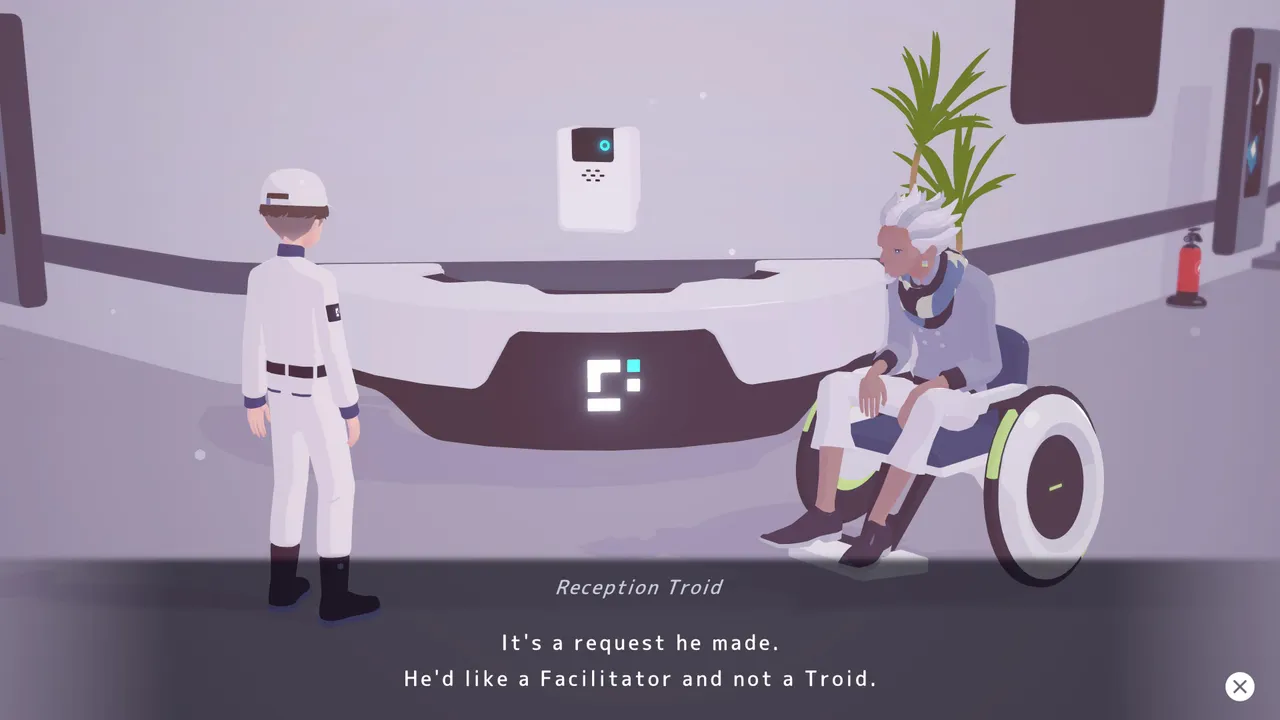
D-topia's art style leans into something close to loose cel-shading, all bright, clean surfaces with a heavy emphasis on white and pastel tones that screams 'sanitised, almost too-perfect atmosphere' the AI has built around its residents. Character expressions carry a surprising amount of weight given how simple the designs are, and named NPCs truly stand out against the 'normal' crowd, a small visual cue that reinforces exactly what the story is trying to say about individuality inside a system built to smooth it away.
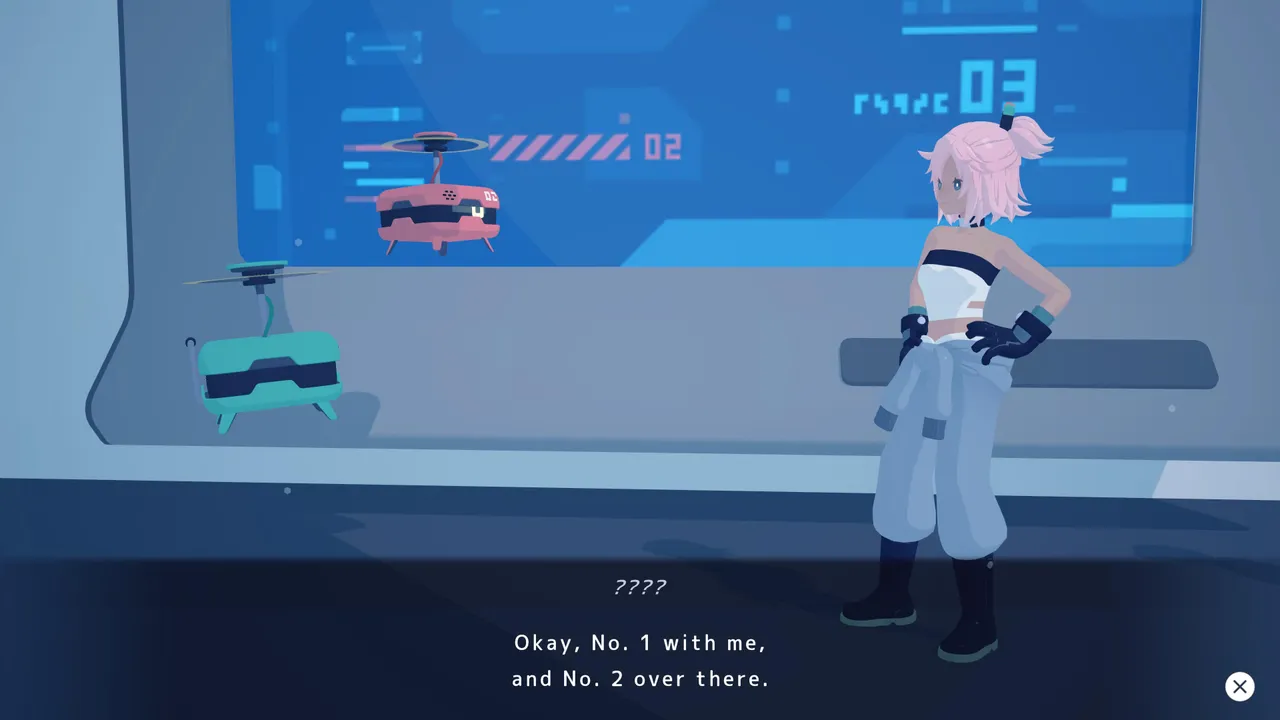
The soundtrack pulls its weight too. The music, along with the entire soundtrack, is probably one of the strongest aspects of D-topia, which, by the way, isn't surprising at all given the developers behind it and their affinity for good music. Ambient sound design supports the quieter, more contemplative moments well, never overplaying its hand during conversations or puzzle sequences. Voice acting is notably absent, which is a minor downside given how strong the writing is, but the dialogue carries enough personality on the page that the silence rarely becomes a real problem.
Put together, the visuals and audio do more than just dress up the story; they actively reinforce it. The palette, the character work, and the music – all of it points back toward the same central idea of a world that looks flawless on the surface while something quieter and more human pushes against its edges underneath.
I played D-topia on PS5, and performance was impeccable throughout. The game runs at a steady 60fps with no drops, stutters, or technical hiccups worth mentioning across the entire runtime. That said, it's worth keeping expectations in check here: D-topia doesn't ship with any modern graphical settings to speak of: no ray tracing, no resolution modes, none of the usual toggles found in bigger releases, so a locked 60fps is more or less what you'd expect from a game built around clean, stylised visuals rather than technical spectacle. Still, smooth is smooth, and there's nothing to complain about on that front.
Final Thoughts
D-topia isn't going to be for everyone, and it's not trying to be. What it offers instead is a tightly paced, thoughtfully told story about the cost of engineered happiness, wrapped around a gameplay loop that mirrors its themes even when that means embracing a bit of monotony along the way. The puzzles won't test anyone looking for a real challenge, and the repetition will wear on players who need constant change to stay engaged, but for anyone willing to sit with a slower, narrative-first experience, this is easily one of Annapurna's stronger releases in a lineup that's already stacked with them.
The Good
 Story doled out at a pace that keeps you hooked
- Distinct visual identity that supports the game's themes
- Memorable soundtrack
- Character relationships feel worth investing in
- Rock-solid performance on PS5
The Bad
 Puzzles are simple and largely forgettable on their own
- Gameplay loop grows repetitive over time
- No voice acting despite strong writing