Trending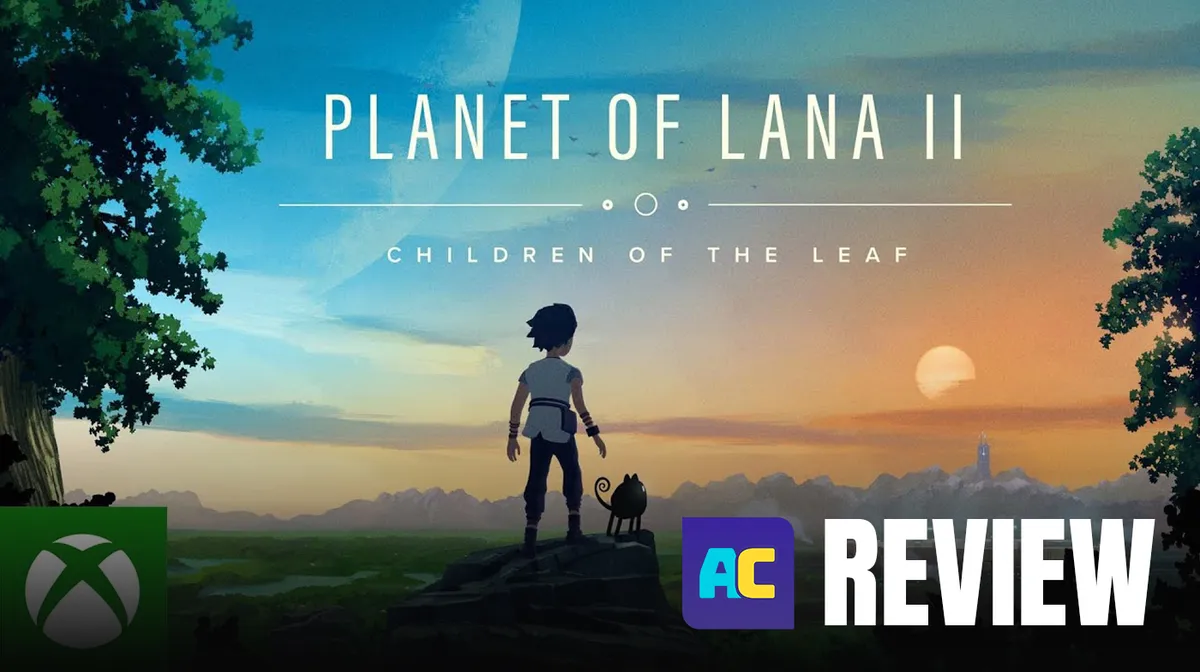
I wasn’t really prepared at how angry Planet of Lana 2 would make me - I don’t mean the game itself, but what it depicts. Wishfully’s sequel throws you into a world that is being slowly destroyed by corporations and greedy people who seemingly only have their eyes set on how much they can take from mother nature, while giving nothing back. A parallel with today’s world is hard not to draw, as people are being displaced, homes and nature destroyed. While the game tells its story through beautiful animation, puzzles, and a cute little cat companion which all my fellow cat parents will love, at its core this sequel brings in themes about environmental destruction that hit hard even without any proper dialogue.
STORY
As the name says, we are back in the shoes of Lana, a young girl living in a village that is existing in harmony with the nature around it - people are giving back as much as they are taking from nature, to quote Thanos “perfectly balanced, as all things should be”. That is, until otherworldly invaders arrive. They don’t announce themselves with grand declarations, they simply come in and start wreaking havoc: the stones that they drop are poisonous both to the land and to the people, they have no regard for any sacred animals, the land, or the people living there.
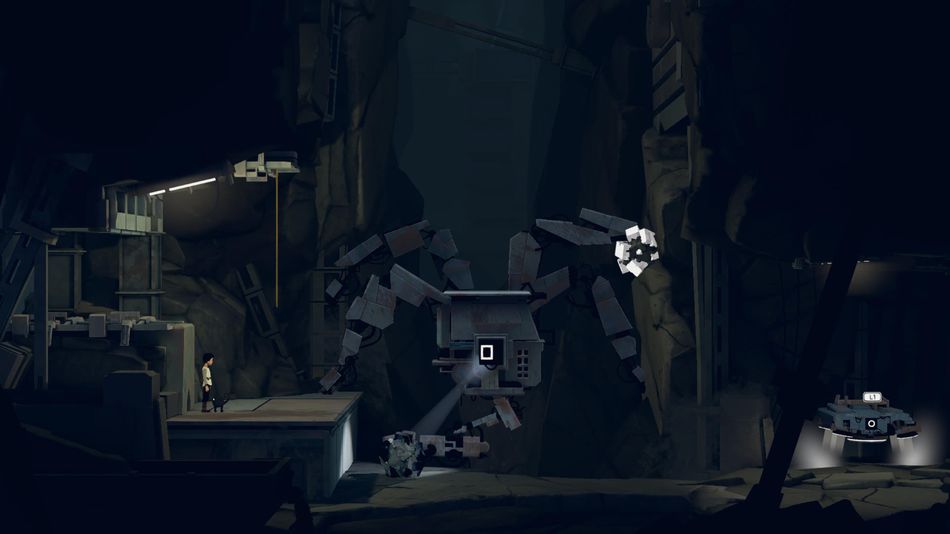
One of those stones poisoned a little girl, and Lana embarks on a journey to save her. With the help of Rakuen, an old man, she sets out to find the horn of a sacred deer, a seashell from ocean lands, as well as seaweed from the sea. With her, she has a small cat creature, Mui, who becomes her constant companion and protector. Lana’s quest takes you from villages to mountains and underwater locations, each of them slowly being consumed by the invader’s machinery.
Just as Lana gathers the ingredients and Rakuen makes the cure, the invaders kill the old man, and the healing mission turns into a revenge quest, as someone finally had enough. Enough of the mistreatment, enough of the greed, enough of watching everything sacred get destroyed for profit. Now don't get me wrong, Lana believed and wanted to fight against the invaders previously, but the loss of such an important figure was just the straw that broke the camels back.
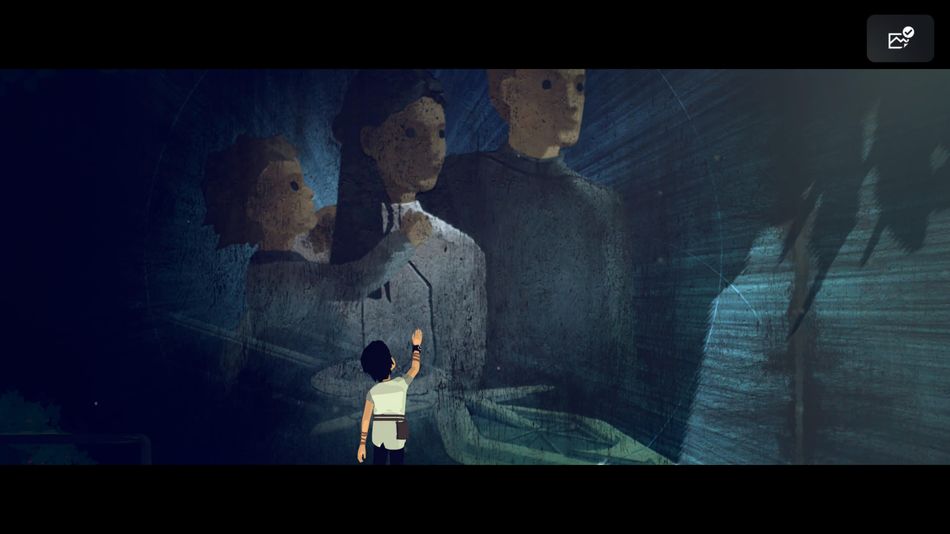
Now, Planet of Lana 2 tells its entire story through chapters filled with animation, visual cues, and voice acting in a made-up language. There is no dialogue, no subtitles - just voice inflections, body language, and gorgeous vistas carrying the narrative intent. The lack of a language is kind of a double-edged sword, for some players this could cause emotional distance and the lack of connection with the characters and the story, while for others it will work beautifully as it will allow them to form their own view of the story.
The themes of corporate greed are basically screaming at you through the screen while you play, and I believe now is a perfect time for this game to be released, as we are witnessing our own world being destroyed by corporate greed wherever we look. These themes feel familiar, without a single word of exposition, clearly rendered through visuals of facilities growing strong while nature is being diminished and invaders treating sacred lands as nothing more than resources to extract. Sounds a bit too familiar, and quite frankly, I hate that it does.
GAMEPLAY
In this puzzle-platformer, side-scrolling platforming carries you through the story and from one challenge to another - jumping across gaps, climbing vines, sliding down slopes - however, solving environmental puzzles is where you’ll spend the most of your time. Some of them are “push box to a certain spots” kind of puzzles, while others take a bit more understanding and thought.
The puzzles aren’t that complicated, they are well-designed in the sense that solutions feel logical once you understand what is being asked of you. In the early sections, you encounter monsters which are scared of light - so in order to advance - you need to solve puzzles with light manipulation. Later on, you’ll be able to take control of a robot, and with Mui’s help move heavy objects Lana can’t budge on her own. In the underwater sections, you can control fish whose swimming ability lets you pass danger and get to hard-to-reach places.
Mui's abilities help out a lot, and rarely you'll solve a puzzle without his help. Each mechanic introduces itself clearly, usually through a simple tutorial puzzle that teaches the basic interaction before layering in complexity. The difficulty curve is generally fair: early puzzles in a new area are straightforward, later puzzles in that same area combine multiple mechanics you've already learned.
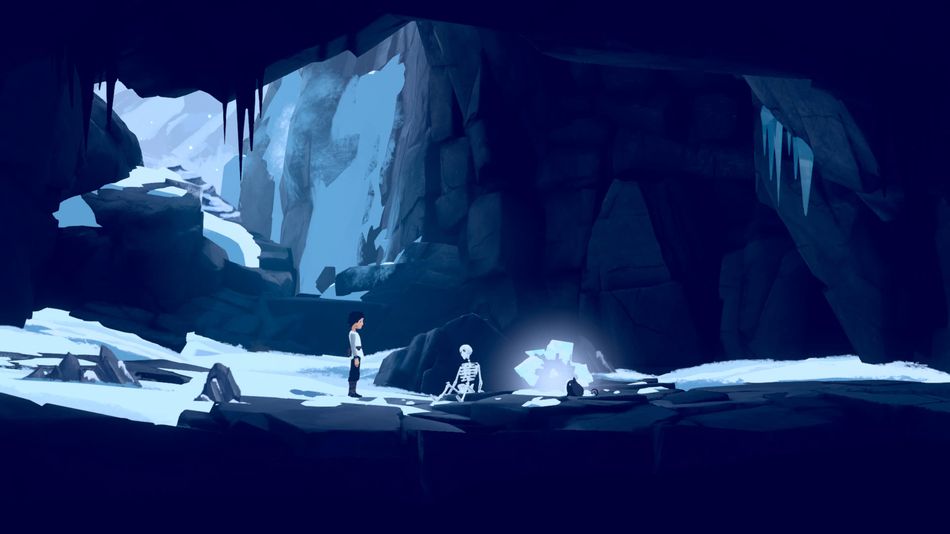
But well-designed doesn't always mean enjoyable to execute. Some puzzles overstay their welcome not because the solutions are unclear - I usually knew what needed to happen within a minute or two of entering a new puzzle space - but because completing them takes significantly longer than solving them. If you make one mistake, you have to go do it all over again, and with longer puzzles, that can get tedious and frustrating.
The pacing suffers most when puzzles require precise sequencing with multiple moving parts. You set up step one, wait for it to complete, set up step two, wait again, then discover step three didn't work because step one's timing expired and now you have to restart the entire sequence. Now maybe I'm just bad at puzzles and just clumsy, but these moments easily turn clever design into tedium - doing something all over again because of one box is moved an inch to the left or right.
Now, onto my favourite part of the game, Mui. Mui is, without exaggeration, one of the most charming companions I've encountered in recent gaming. He's a small black cat - or cat-like creature, the game never clarifies his exact species, that becomes Lana’s companion. And of course, him being a cat, means you can pet him, and you best believe I did. A lot.
His role in puzzles is significant. Mui can squeeze through small gaps Lana can't fit through, press buttons that she can't reach, and also activate certain mechanisms with his power. He's scared of water, which creates interesting constraints: puzzles near rivers or lakes require finding paths that keep Mui dry.
He can either follow Lana constantly, or stay in one place, which is useful for certain puzzles. But here's the problem: controlling Mui is unnecessarily complicated. Instead of moving him directly with standard controls - the way you move Lana, or the robot, or the fish, or any other character you control - you set waypoints for him. I found it to be boring and unnecessary. His animations are expressive, his sounds are endearing, and his presence makes Lana's journey feel less lonely. But every time I had to set another waypoint instead of just moving him like any other character, I felt that frustration compound.
As for the enemies, you will face multiple throughout the game, though “face” might be an overstatement as this is a puzzle game and not a combat-focused game. Most encounters are about evasion, stealth, or using the environment to neutralize threats rather than direct confrontation.
You will encounter robots patrolling industrial areas, following predictable patrol routes, soldiers which will appear less frequently but are more dangerous. Monsters are the creatures that fear light, which appear in darker areas, caves and abandoned facilities with failing power systems. They are the ones you will see far and few between.
VISUALS, PERFORMANCE, SOUNDS
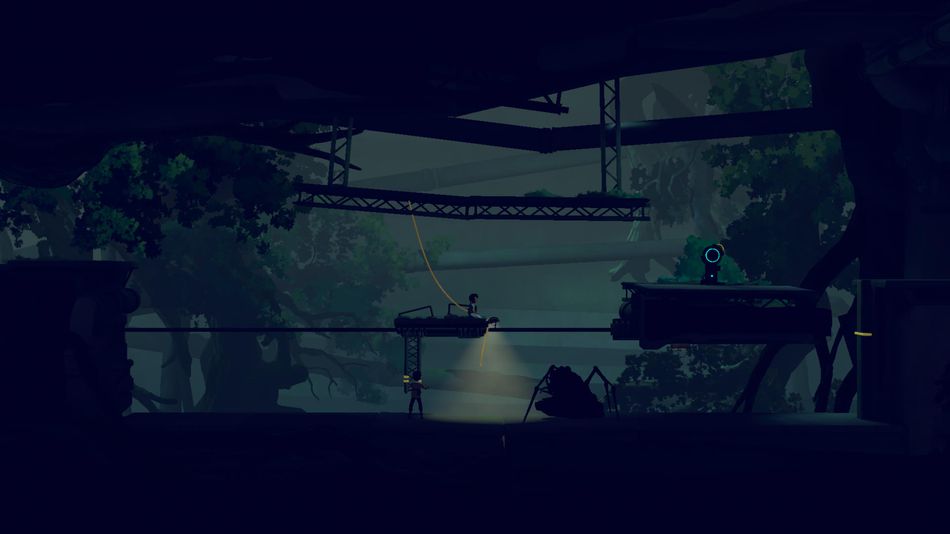
The vistas in Planet of Lana 2 are simply gorgeous. You will go from lush greenery, forests where sunlight filters through dense leaves and flowers blooming in colours, to ocean sections with sandy beaches and underwater caves and mountain regions which bring on a harsher, colder environment, as the colour palette shifts to grey, whites, and darker blues.
Then you reach the industrial facilities, and the visual contrast becomes pointed. Metal structures, drilling platforms, machinery that is constantly churning. The environmental message is delivered visually: this is what greed looks like when it encounters beauty - it consumes, extracts, and leaves pollution behind.
The soundtrack surprised me repeatedly throughout Planet of Lana 2. Early village sections feature music that's almost playful, ocean sections shift to calm, hopeful compositions, while the mountain sections get the grand orchestral treatment, which I enjoyed and it played well into the scenery.
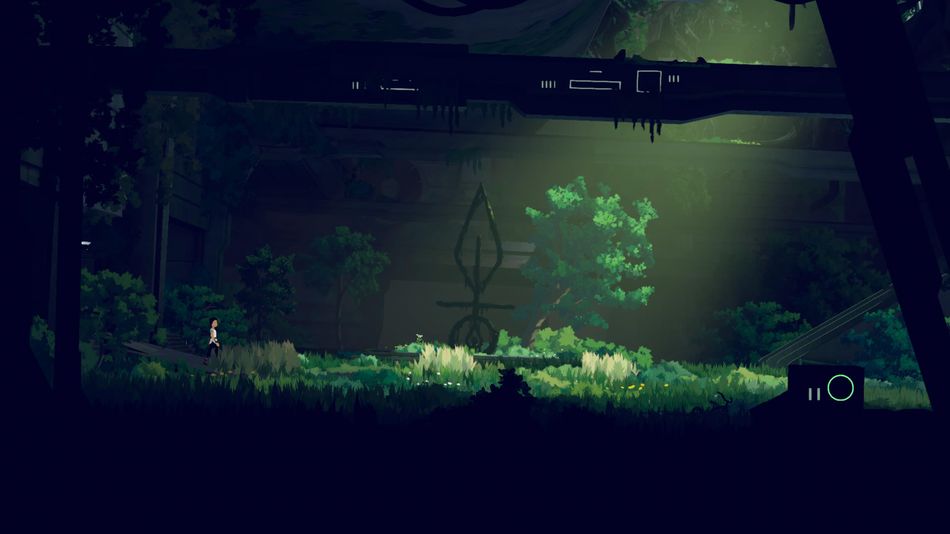
What was most interesting was the industrial sections, and the soundtrack they went with there. You’d expect a dark and ominous, but it was almost a comedic, funny soundtrack. There are moments where the soundtrack in these areas feels almost funky, which plays into the fact that for them, destroying nature is nothing serious, they’re doing it with ease, as they don't care.
I played Planet of Lana 2 on PlayStation 5, and the overall performance was smooth with no major technical problems. There was occasional input lag, but no game breaking issues.
Conclusion
Planet of Lana 2 is a beautiful game, with a clear message delivered without softening the edges. Wishfully didn’t hide the themes of corporate greed, destruction of nature, and displacement and extraction which come at human cost, they render them explicitly through environmental design that shows beauty being consumed by machinery, animation that depicts communities torn apart, and a made-up language that allows you to form your own opinion.
However, at times, there are some negatives. Puzzles become tedious, not because they're hard to solve, but because they take too long to complete, the control system could be a bit better, and some players might find the lack of a language creating emotional distance.
The environmental conviction, animation quality, and Mui's charm are undeniable. If you loved the first Planet of Lana, appreciate environmental messaging, or just really love cats, there's enough here to recommend. If you're on the fence, the execution issues might be dealbreakers.
The Good
 Character variation (robots, fish, rollers)
- A beautiful soundtrack
- Interesting puzzles
- Gorgeous vistas
- Clear, important message
- One of the most charming video game companions
The Bad
 Unnecessary tedious character movement
- Well-designed puzzles turn into slogs due to pacing
- Made up language might create emotional distance
- Many cutscenes that interrupt the gameplay flow