Trending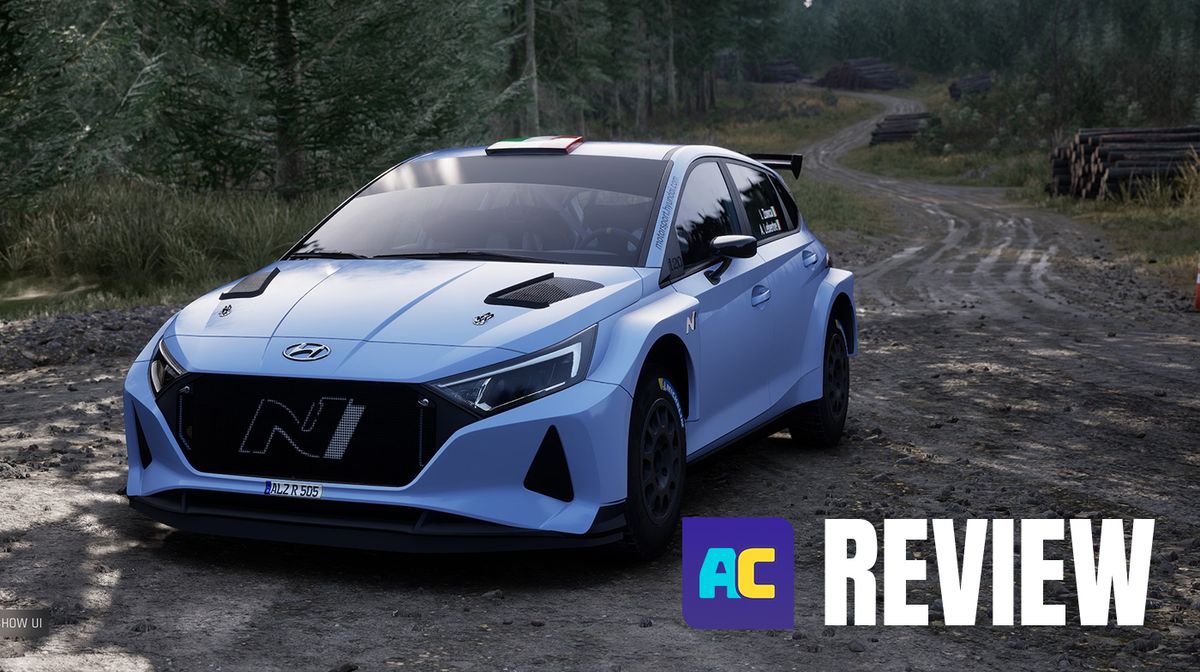
Right, let's get something straight from the start: Assetto Corsa Rally is not Dirt 5. It's not Forza Horizon 5: Rally Adventure. This isn't an arcade romp where you can fling a rally car sideways at 150mph whilst checking your phone. This is a proper, uncompromising rally simulation that demands your full attention, respect for physics, and the ability to learn from repeatedly putting your car in a ditch. Ask me how I know.
Kunos Simulazioni, the studio behind the legendary Assetto Corsa and Assetto Corsa Competizione, has partnered with Supernova Games Studios to bring their renowned physics engine to rally racing combined with Unreal Engine 5. The result is a visually stunning and mechanically authentic experience that immediately separates the sim racers from the Sunday drivers. If you've spent years mastering weight transfer, trail braking, and the dark art of Scandinavian flicks, you'll feel right at home here. If your rally experience consists of handbrake turns in car parks, prepare for a humbling education.
Early Access Means Early Content
Before diving into what Assetto Corsa Rally does brilliantly, let's address some of the stuff that every sim racing fan out there will want to know: this is an Early Access release, and it shows in the content department.
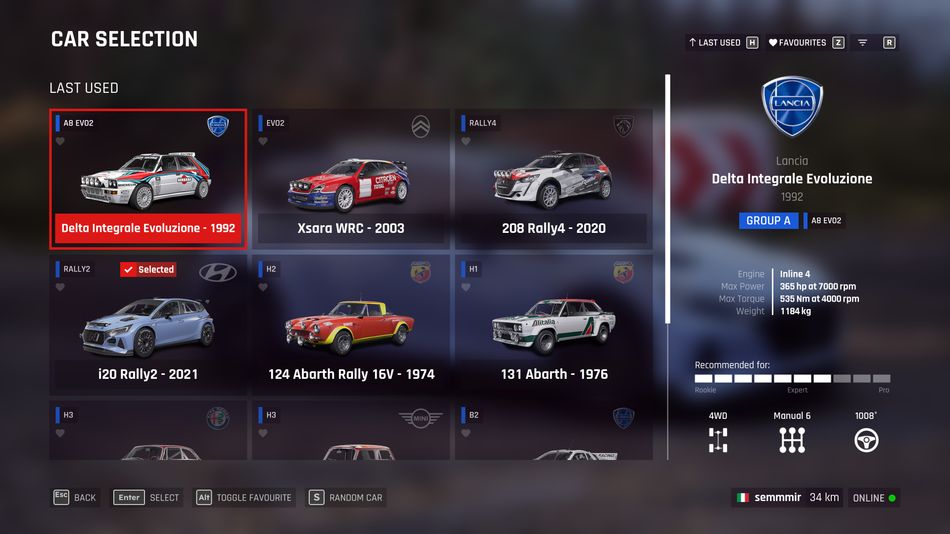
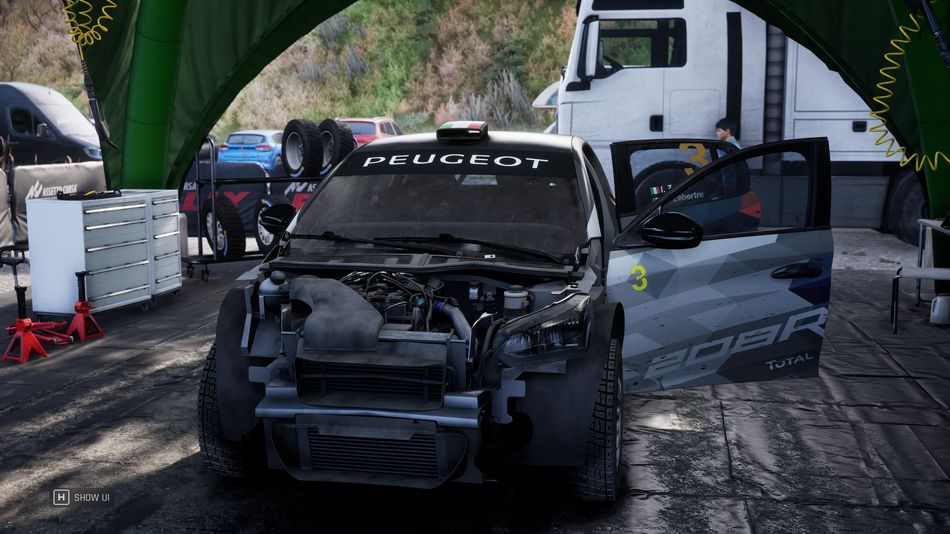
You get 10 cars spanning rally history, from the iconic 1964 Mini Cooper S and the legendary 1976 Lancia Stratos HF to modern ones like the Peugeot 208 Rally4, Hyundai i20 Rally2, and Citroën Xsara WRC. They're all lovingly recreated with exceptional detail, and each feels distinctly different behind the wheel, which is praiseworthy.
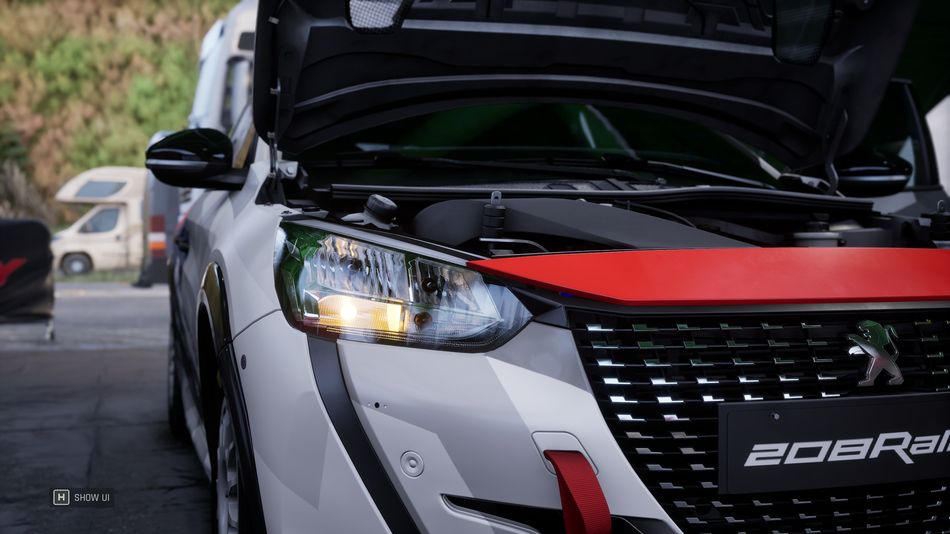
The Peugeot 208, with its modest power output, is considerably more forgiving for those of us who aren't Colin McRae reincarnated (shamefully, I spent most of my time in this one). The game even provides a handy difficulty rating for each car, recommending whether it's suitable for rookies, experts, or pros - a thoughtful touch that helps you avoid biting off more than you can chew.
But here's the rub: 10 cars feels a bit thin for a £25 rally sim, even if we're talking about an Early Access game. Where's the 1997 Subaru Impreza S3 WRC? The 1985 Audi Sport Quattro S1? The Ford Escort RS Cosworth? These aren't obscure vehicles, they're rally royalty, and their absence is keenly felt. Kunos has confirmed more content will arrive throughout Early Access aiming for 30+ cars, but right now, the garage feels more like a showroom than a proper collection.
Track selection suffers similarly. You get two locations - Wales (gravel) and Alsace (tarmac) - and each offers multiple stages and reverse configurations. Both look absolutely stunning, with dense foliage, realistic surfaces, and weather effects that make you genuinely nervous when rain starts falling or you suddenly find yourself in the thick of fog. It's a shame we didn't get more locations in this build but Kunos promise 10 Special Stages and 35 layouts set across 5 international rallies in 1.0, which is respectable.
Still, what's here is quality over quantity. The stages feature proper elevation changes, camber shifts, and surface variations that genuinely affect grip levels. Gravel feels loose and unpredictable (It took me a while before I've managed to finish my first stage). Tarmac rewards precision and confidence. This isn't a case of different textures behaving identically - Kunos understands surface physics, and it shows.
Your Co-Driver Is Your Best Mate (Listen to Him)
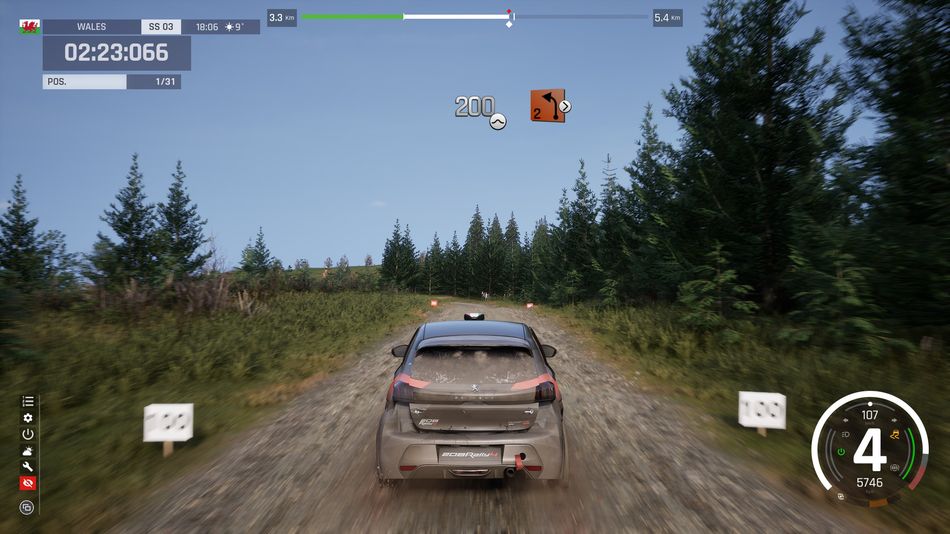
One aspect Kunos absolutely nails is the co-driver system. Rally isn't just about driving fast - it's about driving fast whilst processing verbal instructions that tell you what's coming next. "Easy left over crest into medium right tightens, don't cut" isn't gibberish; it's the difference between a clean stage and a DNF.
The game respects this by including an encyclopaedia which among car history, rally history, and sport regulations also includes a dedicated page explaining what each pace note means if you're unfamiliar with rally jargon. "Hairpin left" is self-explanatory, but what about "6 right into 3 left"? The game teaches you, and you'd better learn quickly because these calls are essential to survival.
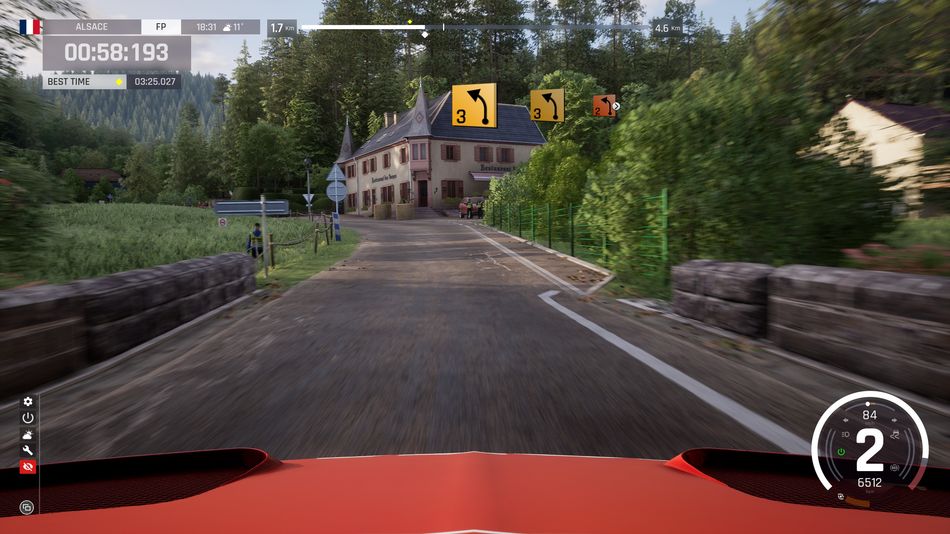
During one particularly intense run through a French tarmac stage, I found myself utterly focused on the co-driver's instructions, anticipating corners before they appeared and positioning the car accordingly. It transformed the experience from reactive scrambling to proactive driving. It's at those moments that Assetto Corsa Rally clicks - when you're working in harmony with your co-driver, reading the road through their voice, trusting the pace notes implicitly. It's immersive, thrilling, and exactly how rally should feel.
Of course, trusting those notes requires experience. Early on, I spent considerable time sampling French ditches and Welsh hedgerows, repeatedly hitting the respawn button with a mixture of hair-pulling and determination. But that's rally. It's about learning from your mistakes, finding the courage to attack that corner harder next time, and gradually shaving seconds off your stage time. When you finally nail a perfect run, carrying momentum through a technical section you previously butchered, the satisfaction is immense.
Physics That Don't Compromise
Let's talk about what matters most in any sim: the driving model. Kunos brings their KUNOS Simulazioni Physics Engine to rally racing, and it's every bit as uncompromising as you'd expect from the studio that gave us Competizione's GT3 perfection.
Weight transfer is everything here. Throw the car into a corner too aggressively, and the weight shifts forward, unloading the rear tyres and sending you into oversteer. Brake too late on gravel, and you'll plough straight off the road as your tyres scramble for grip on loose stones.
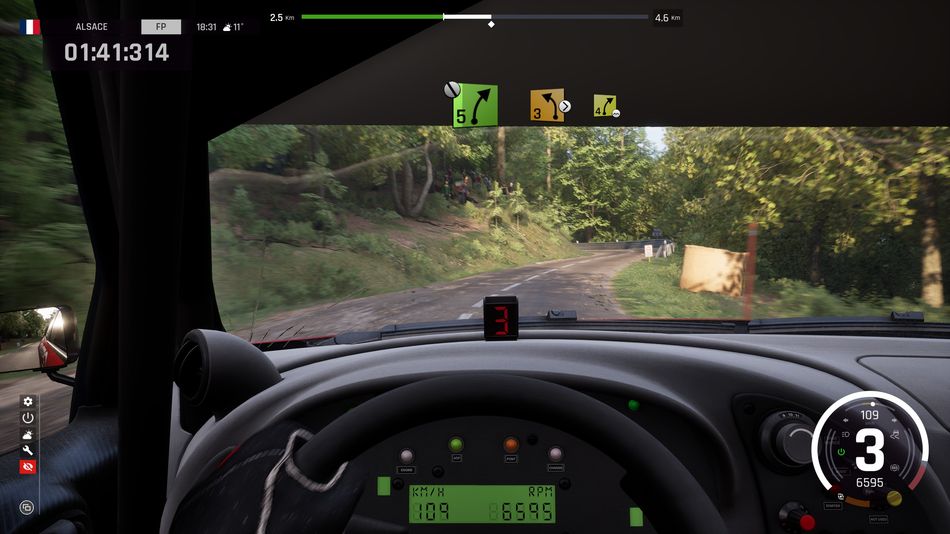
Each car demands a different approach. The Lancia Stratos is a twitchy, oversteering handful that punishes ham-fisted inputs. The Hyundai i20 Rally2 is considerably more planted but still requires respect and precision. Modern rally cars might have sophisticated differentials and suspension setups, but physics don't care about your fancy technology, if you exceed grip limits, you're going backwards through a hedge regardless.
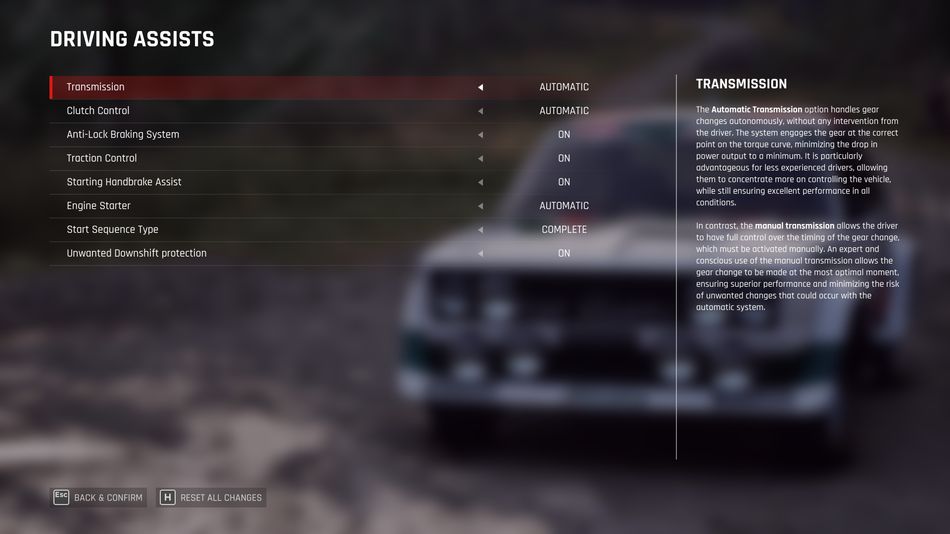
I played primarily with a DualSense controller, and whilst it's perfectly serviceable with some settings optimisation, there's no escaping that this game is built for wheel users. Force feedback, pedal precision, and steering linearity make a proper sim rig the ideal way to experience Assetto Corsa Rally. That said, Kunos deserves credit for not abandoning controller players entirely. With tweaked sensitivity curves and dead zones, I managed respectable stage times without constantly wrestling the input method. It's not ideal, but it's functional, which is more than some sims manage.
Game Modes: Functional but Basic
Assetto Corsa Rally's current mode selection reflects its Early Access status: functional but hardly comprehensive.
Rally Weekends let you compete across three stages, accumulating times to determine overall placement. Time Attack focuses on individual stage performance. Practice Mode allows unrestricted testing of cars and setups. Online Leaderboards provide competitive incentive if chasing ghosts and global rankings appeals to you.
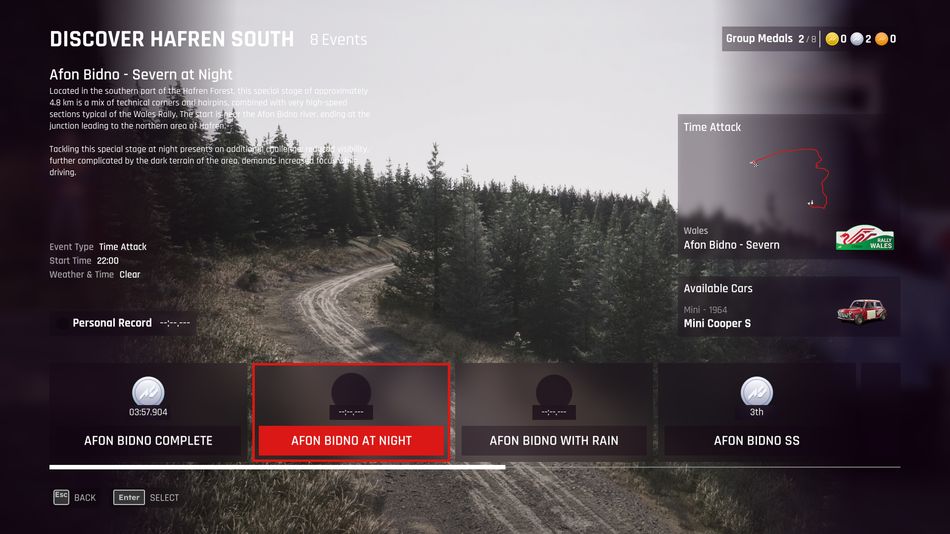
It's all perfectly adequate for what's here, but there's obvious room for expansion. Where are rally championships with season-long campaigns? Manufacturer challenges? Historic rally events? The framework exists for compelling career structures, but they're not present at launch. Kunos has promised regular content updates throughout Early Access, so these features may well arrive, but right now, you're essentially doing time trials with increasingly difficult cars.
Still, for pure driving enthusiasts, that might be enough. Sometimes you don't need elaborate progression systems - you just want to master a stage, optimise your line, and chase hundredths of a second. Assetto Corsa Rally provides that experience superbly; it just doesn't wrap it in much else yet.
Visuals That Justify the Hardware Requirements
Assetto Corsa Rally is a proper showcase for Unreal Engine 5 but running at 4K Ultra settings on my RTX 4080 and Ryzen 7 7800X3D, I couldn't quite hit 60 FPS without DLSS assistance. Once I enabled DLSS Quality (85% internal resolution), performance settled comfortably above 70 FPS with no hitches or stutters.
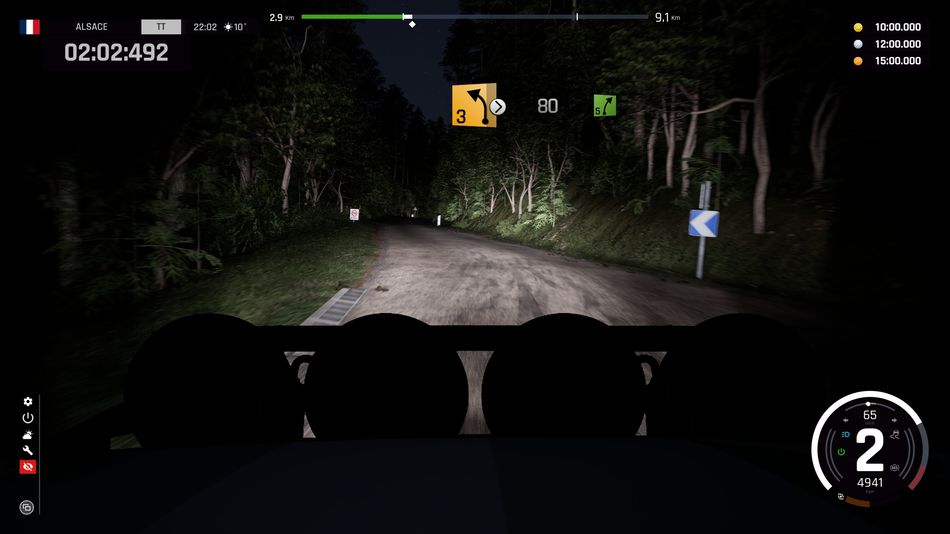
Before anyone complains about optimisation, let's be clear: the game looks stunning. Track detail is exceptional, with lush foliage, gravel surfaces that show tyre tracks and deformation, and tarmac that glistens realistically in the rain. Puddles form on gravel stages during downpours and rain effects on the windscreen are excellent. This isn't a game that looks mediocre but demands high-end hardware like most early access titles, it genuinely earns those system requirements through visual fidelity.
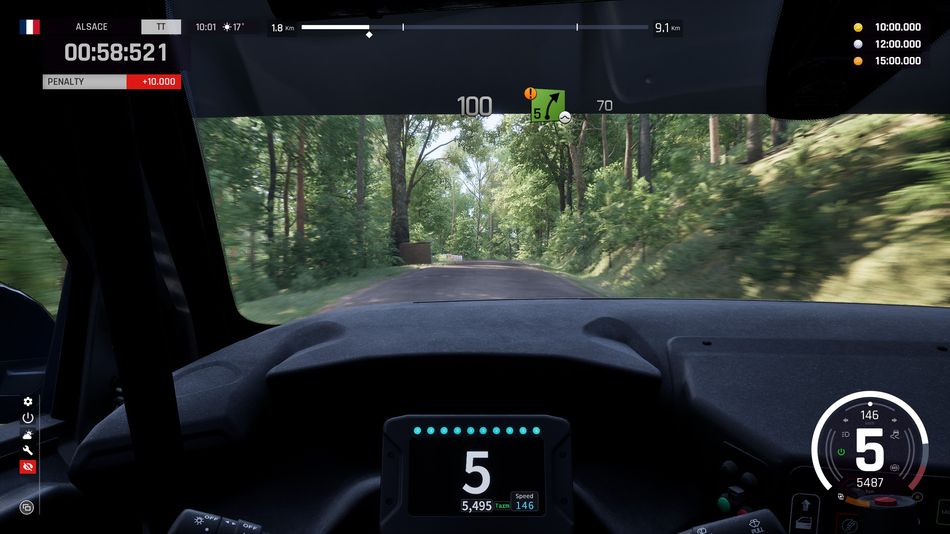
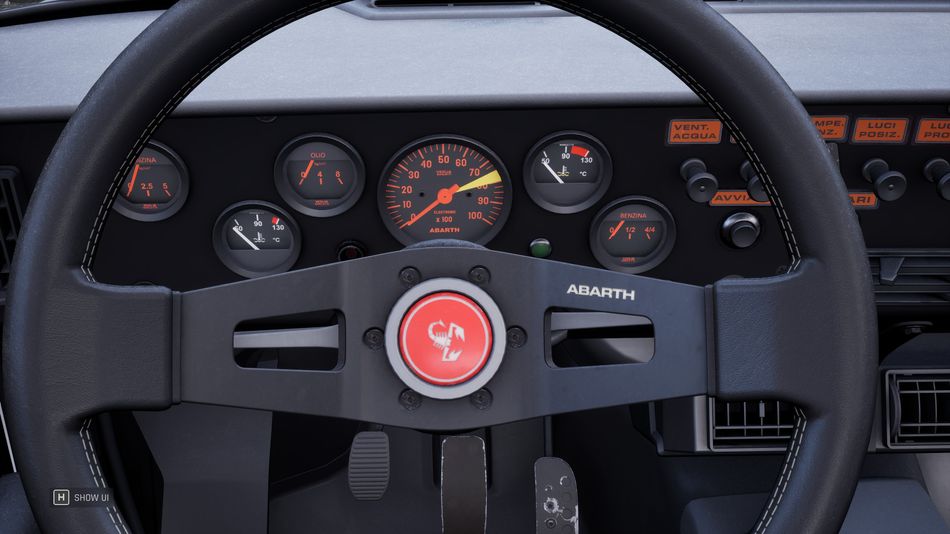
Car models deserve special mention. I don't think I've seen better vehicle modelling in any racing game. The free camera mode lets you zoom into absurd detail, individual buttons on steering wheels, texture on fabric seats, panel gaps, everything. It's obsessive attention to detail that sim racing fans will absolutely appreciate.
Weather effects elevate the experience further. Rally games always look magnificent in the rain, and Assetto Corsa Rally is no exception. Watching your headlights cut through heavy rain whilst the windscreen wipers struggle to keep up, all whilst your co-driver calmly calls corners you can barely see, that's proper rally atmosphere.
There's also extensive camera customisation, letting you adjust field of view, height, lateral positioning, and more. It's a thoughtful feature that acknowledges different players have different preferences and setups.
The Very Few Bugs
Early Access means bugs, and Assetto Corsa Rally has a few. I experienced cars spawning on top of start gates and damage modelling claiming my car was pristine despite half the chassis being missing.
None of these issues were gamebreaking or frequent enough to significantly impact the experience. Compared to truly disastrous Early Access launches, the kind that crash every twenty minutes or run at 15fps on high-end hardware, Assetto Corsa Rally is remarkably stable so hats off to Kunos for that. I also expect these few bugs to be squashed during the Early Access period, and they're minor enough that I'm not particularly worried about them.
The Verdict: Solid Foundation, Needs More Building
Assetto Corsa Rally delivers exactly what you'd expect from Kunos: authentic physics, uncompromising simulation, and a driving model that rewards skill and punishes mistakes. The co-driver integration is superb, the visuals are stunning, and when you finally nail a perfect stage run, the satisfaction is immense.
The problem is content, or rather, the lack of it. Ten cars and two locations feels thin even accounting for future updates. Rally fans who've been starved of proper simulation will likely accept this trade-off, especially knowing more content is coming, but it's a shame that we didn't get an extra location, a snowy one for example, just in time for the winter mood.
If Kunos delivers on their Early Access roadmap in the coming months with more cars, more locations, and more game modes, Assetto Corsa Rally could easily become the definitive rally sim. Right now, it's an excellent core experience lacking content. But hey, that's early access for you.
For hardcore rally fans with wheels and patience, this is an easy recommendation despite the content limitations. For everyone else, it might be worth waiting to see how Early Access progresses before committing. The foundation is rock solid; now Kunos just needs to build the rest of the house.
The Good
 Authentic, uncompromising rally physics
- Co-driver integration done properly
- Stunning visuals that justify hardware requirements
- Each car feels distinct
- Controller support works better than expected for a hardcore sim
- Encyclopedia adds educational value
- Stable Early Access build without
The Bad
 Only 10 cars at launch
- Two locations feels extremely limited
- Basic game mode selection lacks career structure
- Built primarily for wheel users (though controller works adequately)